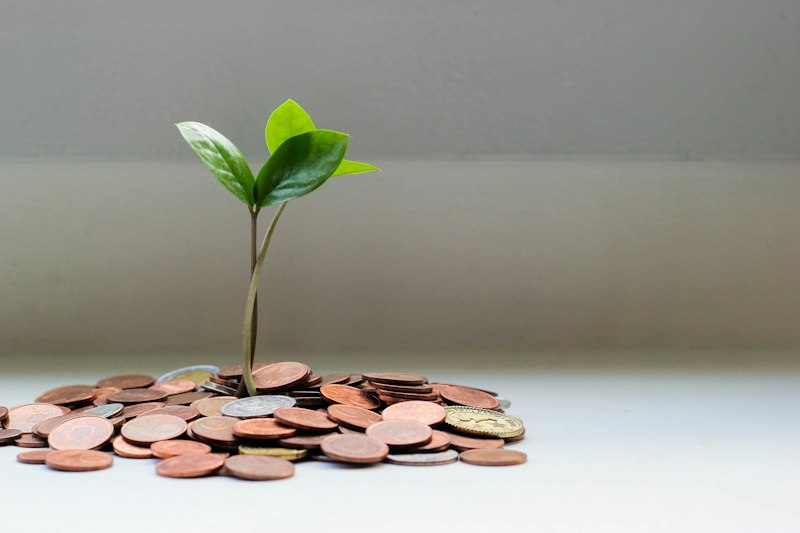
Life in India, with its vibrant festivals, unexpected expenses, and sometimes volatile job market, truly underscores the importance of a robust emergency fund. Whether you've dipped into your savings for a medical emergency, a sudden home repair, a lavish wedding, or even a well-deserved vacation, rebuilding that safety net quickly is crucial. This comprehensive guide will walk you through five smart, actionable strategies tailored for Indian individuals and families to replenish their emergency savings efficiently. Get ready to secure your financial future!
What Exactly is an Emergency Fund and Why is it Crucial for Indians?
An emergency fund is essentially a pool of money set aside specifically to cover unexpected expenses and financial crises. Think of it as your personal financial shield against life's curveballs. For Indians, this shield is even more vital due to several unique factors:
- Healthcare Costs: Medical emergencies can be incredibly expensive in India, often requiring upfront payments even with insurance.
- Job Security: While the economy is growing, job market fluctuations can still lead to periods of unemployment.
- Family Responsibilities: The joint family system and strong familial bonds often mean supporting extended family during their tough times.
- Natural Disasters: India is prone to various natural calamities, which can lead to sudden expenses for repairs or relocation.
- Unexpected Home Repairs: From a burst geyser to a sudden plumbing issue, home maintenance costs can quickly add up.
- Vehicle Breakdowns: If you rely on your car or bike for daily commute, a breakdown can mean significant repair costs and transport alternatives.
Without an emergency fund, these situations often force individuals to resort to high-interest loans, credit card debt, or even liquidate long-term investments, jeopardizing their financial future. An emergency fund provides peace of mind and prevents you from derailing your other financial goals.
How Much Emergency Fund Do You Really Need?
The golden rule of thumb suggests having 3 to 6 months' worth of essential living expenses saved. However, this can vary based on your personal circumstances:
- Single Income Household: If you're the sole earner, aim for 6-9 months or even 12 months, as the financial impact of job loss would be significant.
- Dual Income Household: 3-6 months might suffice, as there's a backup income source.
- Job Security: If your job is highly secure (e.g., government sector), you might lean towards the lower end. If you're in a volatile industry or self-employed, aim for more.
- Dependents: More dependents (children, elderly parents) mean higher essential expenses, so a larger fund is advisable.
- Health Conditions: If you or a family member has chronic health issues, a larger buffer for medical costs is prudent.
Example: If your monthly essential expenses (rent/EMI, groceries, utilities, transport, basic healthcare, insurance premiums) total ₹40,000, then you'd need anywhere from ₹1,20,000 (3 months) to ₹2,40,000 (6 months) in your emergency fund.
Why Rebuilding Your Emergency Fund Quickly Matters
Having used your emergency fund means your financial safety net is now compromised. The sooner you rebuild it, the sooner you regain your financial security. Here's why speed is of the essence:
- Minimizing Risk: The period without a full emergency fund is a high-risk window. Another unexpected event could plunge you into debt.
- Peace of Mind: Knowing you're prepared for the unknown significantly reduces stress and anxiety.
- Protecting Investments: A depleted emergency fund often leads to liquidating long-term investments (like FDs, RDs, or even mutual funds) prematurely, incurring penalties or missing out on growth.
- Avoiding High-Interest Debt: Without an emergency fund, credit cards or personal loans become the default, leading to a debt spiral.
- Maintaining Financial Discipline: Quickly rebuilding reinforces good financial habits and commitment to your financial goals.
Strategy 1: Drastically Cut Down on Non-Essential Expenses
This is often the quickest way to free up cash. Think of it as a temporary financial austerity drive. Every rupee saved is a rupee added to your emergency fund.
Identify Your Non-Essentials: The PaisaTrack Way
The first step is to know where your money is going. This is where a robust budgeting app like PaisaTrack becomes invaluable. Use its expense tracking feature to categorize every single transaction for the last 1-2 months. You'll likely be surprised by how much you spend on seemingly small things.
Where to Cut: Indian Specific Examples
- Dining Out & Food Delivery: India's food culture is rich, but frequent restaurant visits or ordering from Swiggy/Zomato can be a major drain. Cook at home, pack lunch for work, and limit eating out to special occasions.
- Entertainment & Subscriptions: Evaluate your streaming services (Netflix, Amazon Prime Video, Disney+ Hotstar), gym memberships, and other subscriptions. Can you pause some temporarily? Opt for free entertainment options like parks or community events.
- Shopping (Non-Essentials): Avoid impulse purchases during festive sales (Diwali, Eid, Christmas) or online mega-sales. Postpone buying new clothes, gadgets, or home decor until your fund is rebuilt.
- Commuting Costs: Can you carpool, use public transport (Metro, local trains, buses) more often, or even cycle for shorter distances? This saves on petrol and maintenance.
- Social Gatherings: While important, try to be mindful of spending at parties, weddings, or weekend outings. Suggest potlucks or more budget-friendly activities with friends.
- Luxury Services: Temporarily cut back on salon visits, spa treatments, or expensive hobbies.
- Unused Memberships: Review any club memberships or subscriptions you rarely use and cancel them.
Practical Tips for Cutting Expenses:
- Implement a 'No-Spend' Challenge: Designate specific days or even weeks where you spend only on absolute necessities.
- Cash-Only for Discretionary Spending: Withdraw a fixed amount of cash for your weekly discretionary spending. Once it's gone, it's gone.
- Meal Planning: Plan your meals for the week, create a grocery list, and stick to it. This reduces food waste and impulse buys.
- Negotiate Bills: Call your internet provider or DTH service and see if you can get a better deal or a lower-cost plan.
- DIY Where Possible: Learn to fix minor household issues yourself instead of calling a handyman.
PaisaTrack Tip: Use the 'Budgeting' feature in PaisaTrack to set strict limits on your discretionary spending categories. Track your progress daily to ensure you're sticking to your goals. The app can alert you when you're nearing your budget limits, helping you stay disciplined.
Strategy 2: Actively Boost Your Income Streams
While cutting expenses is about saving more, increasing your income is about earning more. Both are powerful levers to rebuild your emergency fund quickly.
Explore Side Hustles (Gig Economy in India)
India's gig economy is booming, offering numerous opportunities to earn extra cash in your spare time.
- Freelancing: If you have skills in writing, graphic design, web development, digital marketing, or translation, platforms like Upwork, Fiverr, or even Indian platforms like Internshala offer freelance gigs.
- Online Tutoring/Teaching: Platforms like Vedantu, BYJU'S, or Chegg India are always looking for subject matter experts. You can also offer private online tuition.
- Content Creation: If you have a passion for a niche, consider starting a YouTube channel, a blog, or becoming an influencer on Instagram/Moj. Monetization can come through ads, sponsorships, or affiliate marketing.
- Delivery Services: Companies like Zomato, Swiggy, Dunzo, or Amazon Flex often hire part-time delivery partners.
- Driving for Ride-Sharing: If you have a car, consider driving for Ola or Uber during peak hours or weekends.
- Selling Crafts/Products: If you're artistic, you can sell handmade items on platforms like Etsy or local craft markets.
- Consulting: Leverage your professional expertise to offer consulting services on a freelance basis.
Monetize Your Skills and Hobbies
- Teaching a Skill: Can you teach music, a language, yoga, or a specific software? Offer classes in your community or online.
- Photography/Videography: Offer your services for local events, portraits, or product shoots.
- Event Planning: Help friends or local businesses organize small events.
- Social Media Management: Many small businesses need help managing their social media presence.
Other Income Boosting Tactics
- Ask for a Raise/Bonus: If you've been performing well at your primary job, consider discussing a raise or performance bonus with your employer.
- Overtime: If your company offers overtime pay, volunteer for extra shifts.
- Sell Services: Offer services like pet sitting, house sitting, or running errands for busy neighbours.
Every extra ₹1,000 or ₹5,000 you earn goes directly into rebuilding your emergency fund. This strategy can be incredibly effective because there's no limit to how much you can earn (within reason).
Strategy 3: Sell Unwanted Assets and Declutter Your Home
Look around your home. Chances are, you have items gathering dust that someone else would pay good money for. Selling these unwanted assets is a quick way to inject cash into your emergency fund without touching your current income or savings.
What Can You Sell in India?
- Old Electronics: Unused smartphones, laptops, tablets, cameras, gaming consoles. Platforms like Cashify, OLX, or local electronics stores can buy them.
- Furniture: If you have extra chairs, tables, or even decorative pieces you no longer need, list them on OLX, Facebook Marketplace, or local second-hand shops.
- Appliances: Old refrigerators, washing machines, or kitchen appliances that are still in working condition can fetch a decent price.
- Clothing & Accessories: Designer wear, traditional Indian attire (sarees, lehengas) worn only once, branded handbags, or shoes can be sold on platforms like Sarojini Nagar market (Delhi - physical), or online via Facebook groups, or local consignment stores.
- Books & CDs/DVDs: While the market for physical media has shrunk, rare books or collections can still find buyers. Local second-hand bookstores or online groups are good options.
- Jewellery: If you have gold or silver jewellery that you don't wear or has sentimental value you're willing to part with, selling it can provide a significant cash infusion. Be cautious and use reputable jewellers.
- Vehicles: An extra scooter or car that's rarely used incurs maintenance costs and depreciation. Selling it can free up a substantial amount.
Where to Sell:
- Online Marketplaces: OLX, Quikr, Facebook Marketplace are popular in India for a wide range of goods.
- Specialized Platforms: Cashify for electronics, specific Facebook groups for clothing or collectibles.
- Local Shops: Second-hand furniture stores, electronics dealers, or consignment shops.
- Word of Mouth: Let friends, family, and colleagues know what you're selling.
PaisaTrack Tip: Once you sell an item, immediately log the income in PaisaTrack and allocate it directly to your emergency fund goal. This keeps you accountable and shows your progress.
Strategy 4: Temporarily Pause or Reduce Non-Emergency Investments
This strategy requires careful consideration and should be temporary. The goal here is to divert funds that would normally go into long-term investments towards your immediate emergency fund goal.
What to Consider Pausing/Reducing:
- SIPs (Systematic Investment Plans) in Mutual Funds: If you have SIPs running, consider pausing them for a few months until your emergency fund is rebuilt. This frees up a fixed amount of cash every month.
- Recurring Deposits (RDs): Similar to SIPs, RDs are regular contributions. You can pause or reduce the monthly contribution temporarily.
- Voluntary Contributions to PPF/NPS: While these are excellent long-term savings vehicles, any voluntary contributions beyond the minimum required (if applicable) can be redirected.
- New Fixed Deposits (FDs): Avoid opening new FDs during this period.
- Discretionary Stock Market Investments: If you dabble in direct equity, hold off on new purchases.
Important Considerations:
- Don't Liquidate Existing Investments: The primary goal is to rebuild, not destroy, your long-term wealth. Avoid selling existing mutual funds, FDs, or stocks unless absolutely necessary and as a last resort. Liquidating investments prematurely can lead to exit loads, capital gains tax, and loss of compounding benefits.
- Review Your Goals: Understand the short-term impact of pausing investments. For instance, pausing an SIP for 3 months might slightly delay your long-term goal, but the peace of mind from a full emergency fund often outweighs this.
- Insurance Premiums: NEVER pause essential insurance premiums (life, health, motor). These are critical for your financial safety net.
- Tax-Saving Investments: Be mindful of any tax-saving investments (like ELSS SIPs) that you might be pausing. Ensure you still meet any tax-saving targets if that's a priority.
PaisaTrack Tip: Use PaisaTrack's 'Goals' feature to clearly define your emergency fund target. You can then see how redirecting funds from other investment goals helps you achieve your emergency fund goal faster. Once your emergency fund is complete, you can easily resume your other investment contributions.
Strategy 5: Automate Your Savings and Make it a Priority
The most effective way to save money consistently is to make it automatic. This removes the need for willpower and ensures your emergency fund grows without you actively thinking about it every day.
Set Up Automatic Transfers
- Salary Day Transfer: As soon as your salary hits your bank account, set up a standing instruction (SI) or auto-debit to transfer a fixed amount directly to your dedicated emergency fund account. Treat this transfer as a non-negotiable bill.
- Multiple Transfers: If you find a large lump sum difficult, break it down. For example, transfer a smaller amount every week or every fortnight.
- Round-Up Programs: Some Indian banks offer 'round-up' features where every transaction is rounded up to the nearest ₹10 or ₹100, and the difference is transferred to your savings. Enquire with your bank.
Treat Your Emergency Fund as a Bill
Just like you pay your rent, EMIs, or utility bills, your emergency fund contribution should be a fixed expense in your budget. It's not optional; it's a critical component of your financial health.
Make it Inaccessible (But Liquid)
Your emergency fund should be easy to access in a true emergency but difficult to access for impulse spending. This means:
- Separate Bank Account: Open a separate savings account with a different bank or a different branch than your primary account. Don't link a debit card to it.
- Liquid Fund Mutual Funds: Consider parking a portion of your emergency fund in ultra-short duration or liquid mutual funds. These offer slightly better returns than a savings account and are highly liquid, typically allowing withdrawals within 1 business day. However, understand the small market risk involved.
- Fixed Deposits with Sweep-in Facility: Many banks offer FDs with a sweep-in facility, where funds automatically transfer from your FD to your savings account if your balance falls below a certain limit. This gives you higher interest rates while maintaining liquidity.
PaisaTrack Tip: With PaisaTrack, you can set up a dedicated 'Emergency Fund' goal and track your progress towards it. Regular automated transfers will show up as contributions, motivating you as you see your progress bar fill up.
Where to Keep Your Emergency Fund in India?
The key here is liquidity and safety, not high returns. Your emergency fund is not an investment for growth; it's a buffer for safety.
- High-Yield Savings Account: A separate savings account with a decent interest rate (e.g., 4-6% offered by some new-age banks or small finance banks) is ideal for immediate access.
- Fixed Deposits (FDs) with Sweep-in Facility: As mentioned, these offer slightly better returns than regular savings accounts while maintaining liquidity for emergencies.
- Liquid Mutual Funds: For a portion of your fund, especially if it's a larger amount, liquid funds offer good liquidity (T+1 redemption) and potentially better returns than savings accounts. However, they are subject to market risks, albeit minimal.
- Ultra-Short Duration Mutual Funds: Similar to liquid funds, these invest in very short-term debt instruments and are suitable for a slightly longer time horizon for a part of your fund.
Avoid: Stocks, equity mutual funds, real estate, or any asset that is highly volatile or illiquid.
Authority Link: For understanding the safety of deposits in Indian banks, refer to the Reserve Bank of India (RBI) guidelines and information on Deposit Insurance and Credit Guarantee Corporation (DICGC).
How PaisaTrack Can Help You Rebuild Your Emergency Fund
PaisaTrack is designed to be your ultimate financial companion, especially when you're focused on rebuilding a crucial fund like your emergency savings. Here's how it can empower you:
- Detailed Expense Tracking: Connect your bank accounts and credit cards to automatically track every transaction. This gives you a clear picture of where your money is going, making it easy to identify areas for cost-cutting (Strategy 1).
- Customizable Budgeting: Set specific budgets for different categories like 'Dining Out,' 'Entertainment,' or 'Shopping.' PaisaTrack will alert you as you approach your limits, helping you stick to your austerity plan and funnel savings into your emergency fund.
- Goal Setting & Tracking: Create a dedicated 'Emergency Fund' goal. Input your target amount and the deadline. PaisaTrack will show you your progress, motivate you, and help you visualize how much more you need to save (Strategy 5).
- Net Worth Tracking: See how your net worth improves as your emergency fund grows and debt decreases. This holistic view keeps you motivated.
- Income Tracking: Log all your income, including earnings from side hustles (Strategy 2) and sales of unwanted items (Strategy 3), to see exactly how much you're channeling towards your fund.
- Reminders & Alerts: Set up reminders for your automated transfers or to review your budget, ensuring you stay on track.
By using PaisaTrack's comprehensive features, you can gain complete control over your finances, make informed decisions, and accelerate the rebuilding of your emergency fund. It's like having a personal financial coach in your pocket!
Ready to take control of your finances and rebuild your emergency fund? Download PaisaTrack today!
Conclusion: Your Financial Safety Net Awaits!
Rebuilding your emergency fund after a setback might seem daunting, but by adopting these five smart strategies, you can achieve your goal faster than you think. Remember, it's about being proactive, disciplined, and leveraging the right tools. Drastically cutting expenses, boosting your income, selling unused items, temporarily adjusting investments, and automating your savings are powerful steps towards financial security.
Don't wait for the next financial surprise to hit. Start today. Use PaisaTrack to track your progress, stay motivated, and build that robust financial safety net that every Indian deserves. Your future self will thank you for it!
Authority Link: For more information on managing personal finances and understanding various investment options in India, you can refer to the Association of Mutual Funds in India (AMFI) website.